The Most Common Causes of Breakdowns in Mobile Hoists and How to Reduce Them
15 Minute Read
Mobile hoists play a vital role in care homes, hospitals and SEND schools. Staff rely on them every day to lift and transfer people safely. Although designs vary, most mobile hoists break down for the same reasons. Heavy daily use, frequent movement around the building and high demand all increase the chances of faults.
Based on our experience repairing mobile hoists, we’ve summarised the six most common causes of hoist breakdowns and how you can reduce them. Understanding these issues helps you prevent faults before they disrupt care.
Below is a list of the common causes of breakdowns which we will explore in more detail:
1. Flat Batteries
All electric mobile hoists rely on batteries to operate. In both busy and quiet settings, flat or weak batteries cause frequent stoppages. A battery may fail to hold charge or recharge fully, leading to inconsistent performance.
This often happens when staff charge batteries for short periods or leave them off charge for too long. Facilities with multiple hoists and battery packs experience this even more. A common situation looks like this:
-
A staff member uses the hoist, notices the battery is low and places it on charge.
-
Another member of staff needs the hoist soon after and removes the battery. The short charge isn’t enough, so the battery drains again.
-
This cycle repeats until the battery fails completely.
How to Reduce Battery-Related Breakdowns
Create a systematic battery-charging routine. A structured method reduces callouts and extends battery life. Charge the battery pack regularly, even if you haven’t used the hoist. Batteries lose charge slowly over time, even when idle.
We share a simple “3-step method” in our instructional video linked below.
"3 Step Method"
→→→→→→→
To extend the life of your hoist batteries, it is recommended that the battery pack is charged regularly, even if it is not being used. This is because a hoist battery will deplete (lose power) slowly, even when not in use.
2. Handset Not Working
Every electric mobile hoist uses a handset to control lifting and leg movement. Handsets are durable, but in busy homes, hospitals and SEND schools, they experience heavy daily use. They can fail completely or stop working on certain functions.
Incorrect use causes most handset issues. The most common problem occurs when staff pull the hoist by the handset instead of the handles. Handsets are not built to support the weight of the hoist, so the wires loosen or break. Handsets can also get caught in doorways or under furniture if staff don’t store them properly.
How to Reduce Handset-Related Breakdowns
Regular staff training makes the biggest difference. Teach staff to move the hoist using the handles—not the handset. Provide refresher training on how to use and maintain the specific hoists in your facility.
Before calling an engineer, try swapping the handset with one from another hoist that uses the same model. If it works, we can supply a replacement handset on next-day delivery, which avoids a callout.

3. Emergency Stop Button Pressed
One of the most common—and simplest—causes of hoist stoppage is the emergency stop button. When pressed, it disables the hoist immediately. Staff often assume the hoist has a major fault when the button has simply been pushed accidentally.
Students in schools or residents in care homes also push the button out of curiosity.
How to Reduce Emergency Stop-Related Callouts
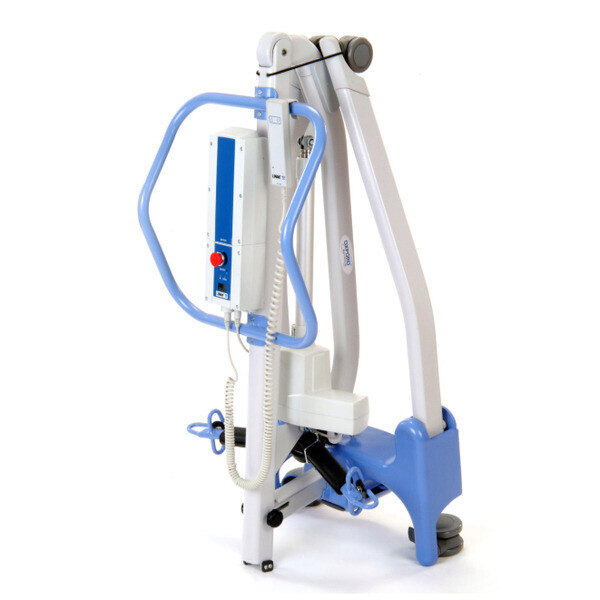
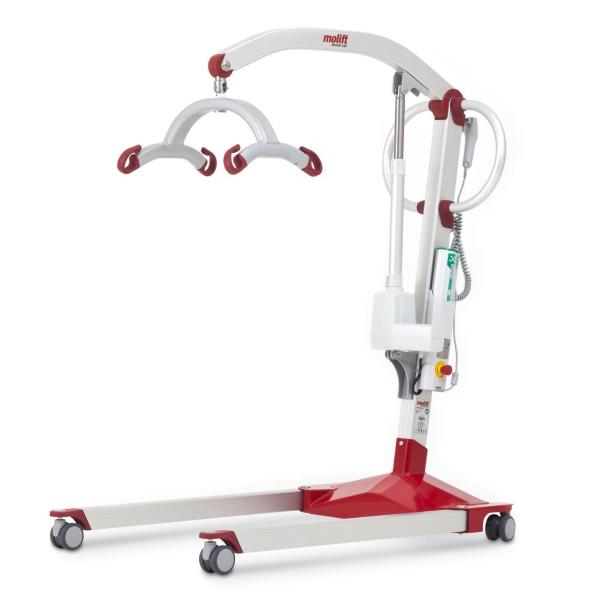
Check the emergency stop before calling an engineer. If it’s pressed, reset it by pulling or twisting the button, depending on the model. Most hoists use a red emergency stop located on or near the battery pack, so it’s easy to identify.



4. Electronic Issues
As we’ve mentioned before, electric mobile hoists have different electronic components to help them function, compared to a hydraulic mobile hoist. Whilst this makes them easier to use, unfortunately these components can cause issues in care environments.
On mobile hoists, the electronic components that cause issues, include the actuator and control box. As well as the batteries and handset issues mentioned above.
Some mobile hoists will have more electronics for different uses, such as a powered lift, powered cradle and powered legs, which means more parts have the potential to go wrong.
Reduce Electronic Related Breakdowns for Mobile Hoists:
As with all other equipment, the better care you take of it, the less likely something will break. Proactive service and maintenance checks from a service and maintenance provider, as well as taking good care of your mobile hoist in between these checks, will reduce the likelihood of electrical issues occurring.
During a LOLER Inspection and annual service on your mobile hoist, engineers will inspect the electronic components to ensure they are functioning correctly, there are no unusual sounds, no signs of wear and tear, and everything is secure. If they spot anything that doesn’t look right, they will make recommendations to have it repaired or replaced proactively before it breaks completely.
Find out More About Inspections and Service on Mobile Hoist Actuators Here

5. Castors Breaking
Mobile hoist castors are one of the most common spare parts that Medaco replaces for their customers. Whilst they might not be the most expensive spare part, the costs can soon add up across all mobile hoists at all your sites – if they are frequently replaced due to damage.
Castors Wear!
Debris, carpet fibres and fluff, are often getting caught within the castor components, stopping them from turning and moving freely. If left to build up, it can make it a difficult task to unpick the fragments and so they end up being replaced.

Impact Damage
When mobile hoists are being moved around the care facility, they can get bashed against walls, door frames, furniture or other large obstacles. This can cause damage to the castors, as they aren’t designed to withstand this kind of impact. Even surfaces which are bumpy or uneven can take their toll on castors.
Environmental Damage
The final cause of damage to castors is the environment they are used in. In conditions where it is humid or wet, such as a swimming pool, spa or hygiene area, the castor mechanisms can become corroded over time which means they need to be replaced.

Reduce Castor Related Callouts for Mobile Hoists:
Cleaning, maintenance and regular checks are key to reducing this issue. Making sure that you remove debris from the castors, is an essential part of castor care, and can reduce the need to replace them as often. Ensuring they are wiped down and dried after being in a wet environment can also help to prolong their lifespan.
Finally, reminding staff to take care of the mobile hoist when moving it around the care facility, will not only reduce damage to castors but also to your walls and furniture.
6. Legs or Frame Bending (structural damage)
Another reason we are called out for mobile hoist breakdowns is damage to the legs or frame of the mobile hoist. There are several causes of this, which, unfortunately, usually occur through incorrect use.
Frame damage can occur if the mobile hoist is slammed against skirting boards, door frames or furniture, such as when trying to put them under profiling beds. They are moved around the building often and aren’t always easy to move if you have carpets or uneven floors.
Another cause of leg or frame bending can occur during the transfer of a service user. When staff lift service users from the floor, they can accidentally get the sling caught around one of the legs. If they don’t realise and start the lifting motion, this can put strain and tension on the leg and boom of the mobile hoist, causing them to bend or break.
Overloading the equipment past the safe working load, can also cause damage to the frame of the mobile hoist.
Reduce Leg and Frame Related Callouts for Mobile Hoists:
Providing your staff with regular training, on the correct use of the specific equipment, will help to reduce callouts associated with this issue.
Ensure you remind them of the checks they should complete on mobile hoists before every use. This includes checking the safe working load of the equipment, to ensure it isn’t overloaded.
Reminding your staff to take care of your equipment, or having the correct number of mobile hoists for your service users, could help reduce issues associated with moving the equipment around your care facility.