LOLER and PUWER inspections and why are they important?
LOLER and PUWER Inspections: What Are They and Why Do They Matter?
In healthcare settings, safety is essential. Many accidents involving patient handling equipment happen each year, and most of these incidents are avoidable. By using equipment correctly and keeping it in good condition, care providers can reduce risks and protect both patients and staff.
To support safe practice, two key regulations apply to healthcare equipment: LOLER and PUWER. These regulations help ensure that equipment is suitable, used safely, and maintained properly.
What Is LOLER?
LOLER stands for Lifting Operations and Lifting Equipment Regulations.
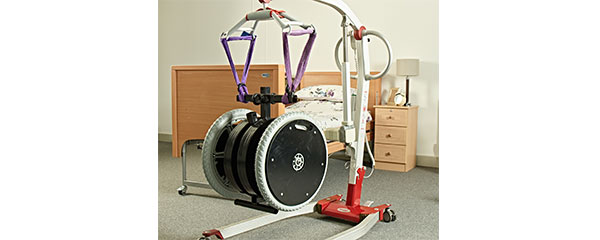
These rules apply to organisations that own, use, or control lifting equipment. In healthcare, this includes items such as patient hoists and height-adjustable beds.
LOLER requires that lifting equipment:
-
Is strong and stable enough for the task
-
Shows the safe working load clearly
-
Is positioned to reduce risk
-
Is used only for its intended purpose
-
Is regularly inspected and maintained by trained professionals
Just because a piece of equipment lifts or lowers weight does not mean LOLER automatically applies. The equipment must be work equipment, and lifting must be its main function.
What Is PUWER?
PUWER stands for The Provision and Use of Work Equipment Regulations.
These regulations apply to any equipment used by staff at work. In healthcare, this includes items used for patient care. Examples include:
-
Electric profiling beds
-
Bed rails
-
Patient lifting hoists
PUWER ensures that equipment is:
-
Suitable for the job
-
Safe to use
-
Used by trained individuals
-
Maintained in good working condition
If staff use the equipment, PUWER applies.
Using Beds, Hoists and Bed Rails Safely
Regular servicing and maintenance are key to safe equipment use. At Medaco, we provide planned preventative maintenance (PPM), inspections, and repairs to help care providers remain compliant with LOLER and PUWER.
Although laws may not always state exact service intervals, the Medicines and Healthcare Products Regulatory Agency (MHRA) offers clear guidance. For example, most electric profiling beds should be serviced at least once a year, and the MHRA recommends a 6-monthly safety inspection.
When beds are not maintained, they are more likely to fail. This can lead to injuries, emergency call-outs, or downtime that affects patient care and increases costs.
Bed Rail Safety
Bed rails are widely used to prevent patients from falling out of bed. However, serious accidents have occurred when bed rails are fitted incorrectly or used on unsuitable bed types. In some cases, patients have become trapped, leading to injury or even death.
Many of these incidents could have been prevented through:
-
Proper staff training
-
Correct fitting and positioning
-
Regular equipment checks
-
Clear risk assessments
Bed rails are not designed to restrain a person. They must only be used to prevent unintentional falls.
MHRA Guidance
The MHRA recommends that care providers follow four key practices:
-
Risk assessment for every patient and situation
-
Following legal requirements such as LOLER and PUWER
-
Training staff to use equipment safely
-
Maintaining equipment regularly and keeping records
Need Support With LOLER or PUWER Compliance?
We can help with inspections, servicing, and training to keep your equipment safe, compliant, and reliable.
Contact us today to discuss your requirements — we’re happy to assist.
Contact us to discuss your LOLER or PUWER need – we’ll be happy to help.